
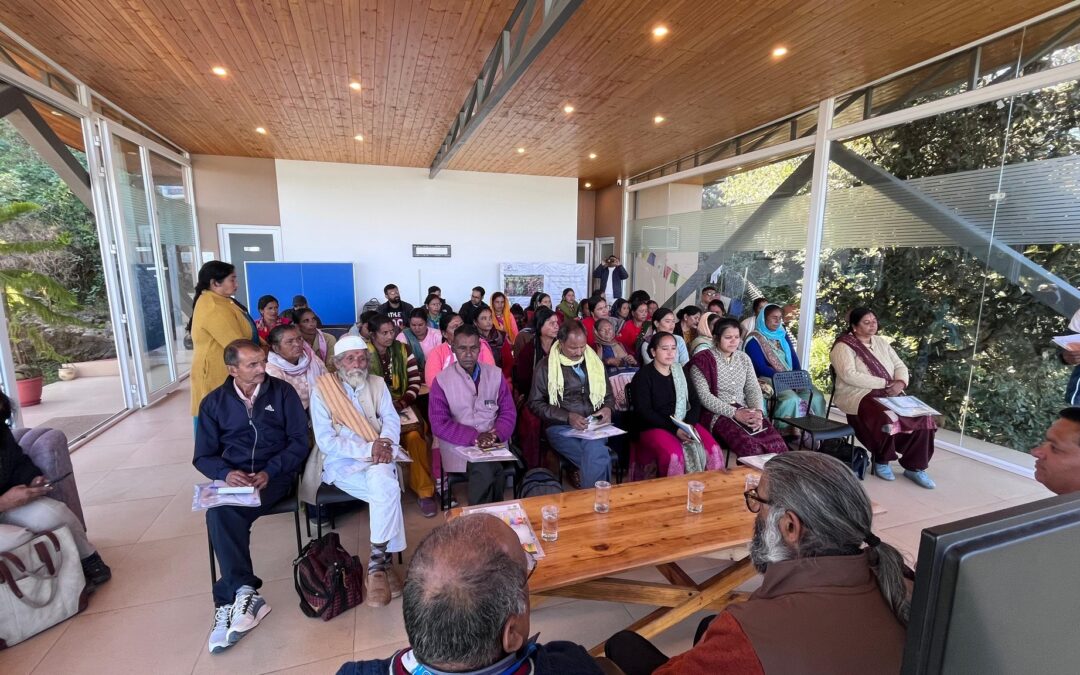
Food System Dialogue | 12 November 2025 | Yak & Yeti Inn, Majkhali, Ranikhet
Organized by: Bhoomi Ka – Centre for World Solidarity (CWS)
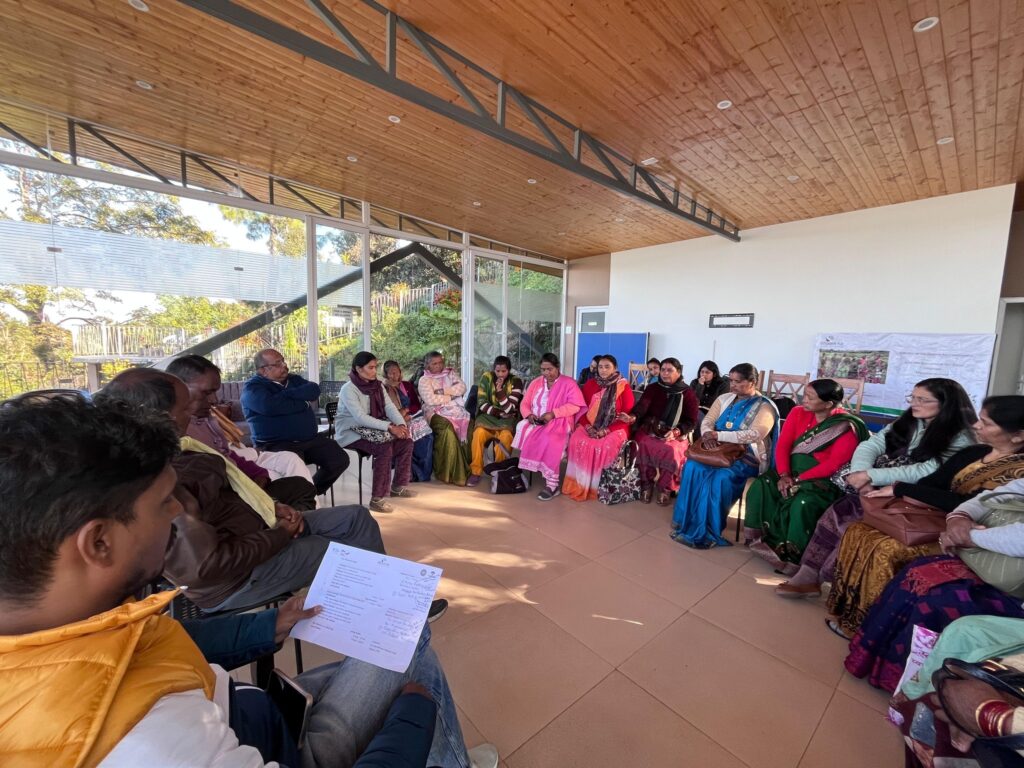
Nestled in the serene Himalayan landscapes of Ranikhet, Bhoomi Ka–CWS convened a multi-stakeholder Food System Dialogue (FSD) to reimagine how Uttarakhand’s unique hill food systems can become more sustainable, resilient, and equitable. Farmers, FPOs, ecopreneurs, researchers, cooperatives, women’s collectives, SMEs, and policymakers came together to chart actionable pathways for building a future where local farms truly feed local tables.
With 60 participants representing diverse sectors and communities, the dialogue explored the challenges and opportunities of hill agriculture and worked toward practical models rooted in agroecology, local value chains, and community-led development.
Uttarakhand’s Food System: A Land of Rich Potential and Complex Challenges
Uttarakhand’s mountain agriculture carries a legacy of biodiversity-rich crops, traditional knowledge systems, and resilient farming communities. Yet, farmers face structural challenges — scattered landholdings, high transportation costs, limited market access, and growing climatic risks.
The dialogue was designed to address these gaps and build collective momentum for strengthening the state’s food system through agroecological approaches, improved market linkages, and community-driven action.
Inaugural Session: Setting the Vision for an Inclusive, Sustainable Hill Food System
The session opened with Mr. Rajesh Jha (Director–CWS), who highlighted the vulnerability of hill agriculture and emphasized the urgent need for integrated, collaborative strategies.
Mr. Jogindra Bisht (Secretary, Lok Chetna Manch) further stressed the ecological and socio-economic significance of Uttarakhand’s food systems.
Introduction to Bhoomi Ka:
Mr. Sandeep Sahu (CWS–Bhoomi Ka) showcased Bhoomi Ka’s mission to bridge the gap between farms and tables, support agroecology, and empower producer institutions.
⭐ Key Voices
- Dr. Devendra Singh Negi (Director, Organic Board) delivered the chief guest address, reaffirming state-level support for natural farming and community-led food initiatives.
- Ms. Jyoti Patil (Former ED, Aarohi) spoke on strengthening hill-based enterprises.
- Mr. Ajay Rastogi, Environmentalist, emphasized ecological stewardship.
Dr. Jaya Pandey and Dr. Meenakshi Shailja (JICA Mahila Cooperative) provided gendered and grassroots perspectives on the importance of local crops, cooperatives, and women-led collectives.
Panel 1: Building Bridges from Hill Farms to Urban Plates
Moderator: Mr. Rajesh Jha (CWS)
This session unpacked the critical bottlenecks limiting farmers’ access to markets — transport challenges, scattered production, intermediaries, and limited cold-chain infrastructure.
Challenges Discussed
- High transportation and storage costs
- Small landholdings affecting aggregation
- Fragmented and unreliable market linkages
Solutions Highlighted
- Direct Farm-to-Consumer Models: Expanding CSAs, weekly farmers’ markets, and direct sales.
- Value Addition: Local processing units for jams, organic grains, pickles, herbs, millet-based products.
- Digital Market Linkages: Mobile-based platforms for connecting farmers with buyers.
- Policy Suggestions: Subsidies for transport, grants for cold storage, and stronger FPO support.
The discussion emphasized that hill produce can command premium value if supported with branding, aggregation, and reliable logistics.
Panel 2: Growing a Greener Future — Agroecology for Uttarakhand
Moderator: Mr. Abhishek Kumar (CWS–Bhoomi Ka)
This session focused on the potential of agroecology and chemical-free farming to restore the fragile mountain ecosystem while ensuring better livelihoods for farmers.
Key Insights
- Agroecology enhances soil health, protects biodiversity, and provides climate resilience.
- Himalayan products — millets, medicinal herbs, red rice, local pulses — hold high market value.
Support Needed
- Affordable credit and financial incentives for transitioning to natural farming
- Continuous training on NPM, composting, soil health
- Community-level seed banks, compost units & packaging facilities
- Collective branding to strengthen consumer trust in natural Himalayan products
A shared consensus emerged: agroecology should become Uttarakhand’s identity and economic opportunity.
Closing Session: Moving from Dialogue to Action
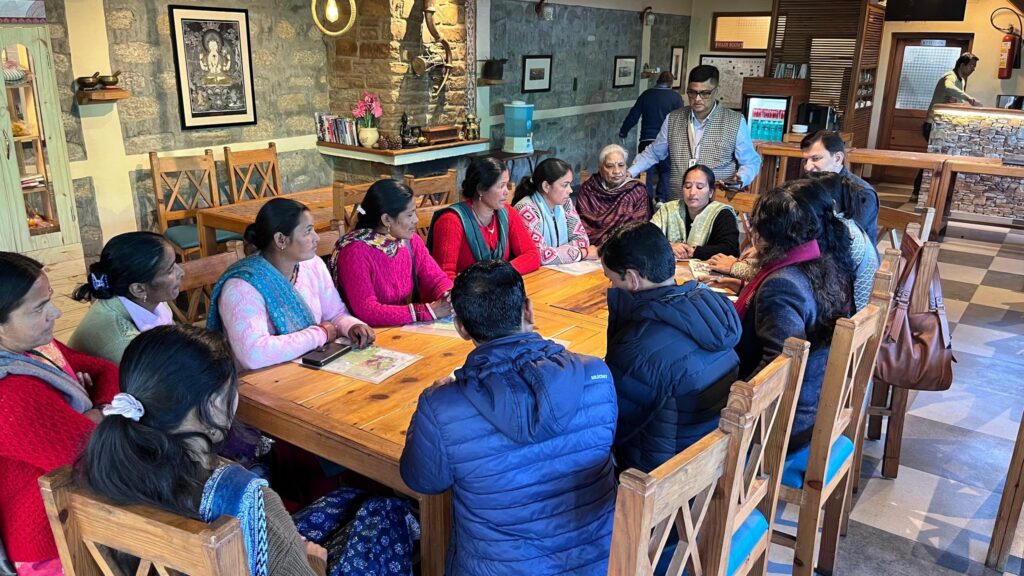
In the closing remarks, Dr. Palash Bhusan Chatterjee (Joint Director, CWS) emphasized the need to convert discussions into collaborative action. Moderators summarized the recommendations that emerged throughout the day.
Key Outcomes of the Dialogue
1. Strengthening Local Value Chains
Develop local processing units, aggregation centers, and direct marketing channels like CSAs and farmers’ markets.
2. Branding Agroecology as “Uttarakhand Natural Products”
Build a strong collective identity for hill produce to enhance visibility and consumer trust.
3. Continuous Farmer Capacity Building
Create long-term platforms for training on agroecology, financial literacy, entrepreneurship, and women-led enterprises.
4. Multi-Stakeholder Working Group
Establish a collaborative body linking FPOs, CSOs, cooperatives, SMEs, and government departments.
5. Policy Advocacy for Hill Agriculture
Engage with state authorities to push for transport subsidies, cold-chain investments, and FPO strengthening.
Conclusion: A Shared Commitment to Transform Uttarakhand’s Food Future
The Food System Dialogue in Ranikhet reaffirmed that Uttarakhand’s hills hold immense promise — not just for biodiversity and culture, but for building a resilient, community-led food system. The event created a space for farmers, experts, and institutions to align visions and co-create practical solutions.
The energy that emerged from the Himalayan hills — from the voices of grassroots leaders, women’s cooperatives, and youth — will guide Bhoomi Ka’s continued work. Together, we are building a future where hill farmers thrive, agroecology becomes the norm, and local food nourishes both people and the planet.